Skip to content

Start Health Way

Preventive care and screenings, one step at a time

Based on U.S. Preventive Services Task Force and CDC recommendations
  • Your Checkup
  • Cancer Screening
  • Other Screenings
  • About
  • Contact
  • Menu
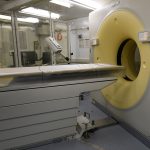
A CT scanner and patient table in a hospital imaging room

Lung Cancer Screening: Do You Qualify for a Low-Dose CT Scan?

By Start Health Way Writers

Who qualifies for yearly low-dose CT lung cancer screening, how to count pack-years, what false positives mean, and why quitting smoking still matters most.

Read the guide→
A cardboard box of fresh produce including avocados, bananas, peppers and eggs

Diabetes Screening: Who Should Be Tested and What Results Mean

By Start Health Way Writers

Who should be screened for prediabetes and type 2 diabetes, how the A1C and fasting glucose tests work, what the results mean, and what to do next.

Read the guide→

Blood sample tubes with red and pink caps in a green rack

Cholesterol Tests and Statins: Understanding Your Results

By Start Health Way Writers

What a lipid panel measures, how often adults are commonly tested, how 10-year heart risk guides statin decisions, and questions to ask first.

Read the guide→

An exam room at a community health center with an exam table, desk and chair

Cervical Cancer Screening: Pap Tests, HPV Tests and How Often

By Start Health Way Writers

U.S. cervical cancer screening schedules by age, how Pap and HPV tests differ, self-collection, when screening can stop, and how the HPV vaccine fits in.

Read the guide→
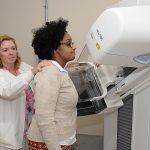
A technologist positioning a patient at a mammography machine

Mammograms From 40: The Current Breast Cancer Screening Advice

By Start Health Way Writers

Why mammograms are now advised every two years from 40 to 74, what dense breast notices mean, 3D mammography, call-backs and higher-risk screening.

Read the guide→

Post navigation

« Previous 1 2

About Start Health Way

Plain-language guides to adult checkups and screenings in the U.S., based on Task Force and CDC recommendations.

How we work

Screenings by age

  • 18 and up: blood pressure; hepatitis C once (to 79)
  • 15 to 65: HIV at least once
  • 21 to 65: cervical cancer
  • 35 to 70: diabetes, if overweight
  • 40 to 74: mammogram every 2 years
  • 45 to 75: colorectal cancer
  • 50 to 80: lung cancer, with a heavy smoking history
  • 65 and up: bone density for women

For people at average risk. Your clinician may suggest a different schedule.

A few numbers to know

  • Blood pressure: normal is below 120/80
  • Fasting blood sugar: 99 mg/dL or below is normal
  • A1C: below 5.7% is normal

Your clinician can tell you what your own targets should be.

Blood pressure · Diabetes screening

Topics

  • Cancer Screening (4)
  • Other Screenings (3)
  • Your Checkup (4)

Latest guides

  • Preventive Care Coverage: What Health Insurance Must Cover
  • Your Preventive Checkup: What Happens and How to Prepare
  • Colorectal Cancer Screening From 45: Choosing a Test
  • Blood Pressure Numbers: What They Mean and How Often to Check

Start Health Way

Preventive care and screenings, one step at a time. General information only; for personal advice, talk with your clinician.

Site information

  • About
  • Contact
  • Sources and Accuracy
  • Funding Disclosure
  • Privacy and Your Data
  • Terms of Use

Official resources

U.S. Preventive Services Task Force

Centers for Disease Control and Prevention

Medicare.gov

Find a community health center

© 2026 Start Health Way. General health information, not medical advice.Privacy and Your DataTheme by SiteOrigin