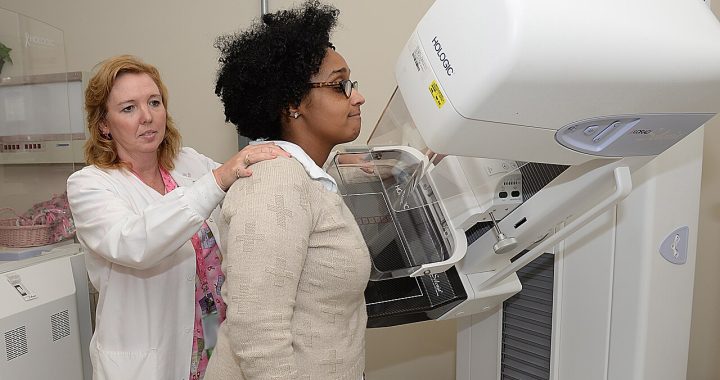
Mammogram advice changed in 2024: the U.S. Preventive Services Task Force now recommends starting at 40. Here’s what the recommendation says and what to discuss with your clinician.
Breast cancer is the most commonly diagnosed cancer in American women other than skin cancer. Mammography finds many cancers early, when treatment is most effective, and the national recommendation now begins a decade earlier than it used to for many women.
The current recommendation
In 2024, the U.S. Preventive Services Task Force recommended mammograms every two years for women aged 40 to 74 at average risk. The change from age 50 reflected rising rates of breast cancer in women in their 40s.
For women 75 and older, the Task Force found too little evidence to recommend for or against screening, so it’s a decision to make with your clinician based on your health.
Dense breasts
Since September 2024, an FDA rule requires mammography facilities to tell patients whether their breast tissue is dense. Dense tissue is common and normal, but it can make cancers harder to see on a mammogram and is linked to a somewhat higher risk.
If your report says your breasts are dense, ask whether additional imaging, such as ultrasound or MRI, makes sense for you. The Task Force found the evidence on routine extra screening for dense breasts insufficient so far, so the decision depends on your overall risk.
Higher-risk screening
| Situation | What it may mean |
|---|---|
| Strong family history of breast or ovarian cancer | Genetic counseling, earlier start or added MRI |
| Known BRCA1, BRCA2 or other high-risk gene change | Yearly MRI plus mammography, often starting younger |
| Chest radiation before age 30 | Earlier and more intensive screening |
Helpful tip
Schedule your mammogram for a time when your breasts are least tender, often the week after a period, and skip deodorant or powder on the day, since they can show up on the images.
Coverage
Under the Affordable Care Act, most private plans cover screening mammograms without cost sharing. Follow-up imaging after an abnormal result may involve costs, so check your plan’s rules.
Cervical cancer screening follows its own schedule; see Pap and HPV tests. For the bigger picture, read about the preventive checkup.
Key points
- The Task Force recommends a mammogram every two years for women 40 to 74 at average risk.
- Mammography facilities must tell patients whether they have dense breast tissue, which can hide cancers and slightly raises risk.
- Women with a strong family history, certain inherited gene changes or past chest radiation may need earlier or additional screening.
- Some medical groups recommend yearly mammograms; talk with your clinician about the schedule that fits your risk.
Common questions
Is 3D mammography better?
Digital breast tomosynthesis, often called 3D mammography, can find some cancers that standard images miss and may reduce call-backs. Coverage varies by plan.
What does it mean if I’m called back?
Call-backs are common, and most don’t lead to a cancer diagnosis. Usually you’ll have more images or an ultrasound; sometimes a biopsy is recommended.
Who does the recommendation apply to?
It applies to cisgender women and others assigned female at birth who are at average risk. Screening for transgender and nonbinary people depends on anatomy, hormone use and other factors, so discuss it with a clinician.
This guide explains general U.S. screening recommendations and is not medical advice. Your clinician may recommend a different schedule based on your health, history and test results.