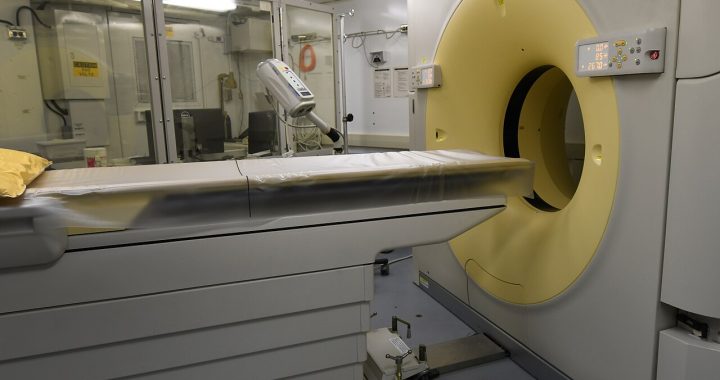
Yearly low-dose CT scans can find lung cancer early in people with a significant smoking history. Many people who qualify have never been told.
Lung cancer causes more cancer deaths in the U.S. than any other cancer, largely because it’s often found late. For people at high risk, yearly screening with a low-dose CT scan can find it at an earlier, more treatable stage.
Who qualifies
The U.S. Preventive Services Task Force recommends yearly low-dose CT screening for adults who meet all three conditions:
- Age 50 to 80
- A smoking history of at least 20 pack-years
- Currently smoke, or quit within the past 15 years
Screening usually stops once someone has gone 15 years without smoking, or develops a health problem that would limit their ability or willingness to have lung surgery.
Counting pack-years
| Smoking history | Pack-years |
|---|---|
| 1 pack a day for 20 years | 20 |
| 2 packs a day for 10 years | 20 |
| Half a pack a day for 40 years | 20 |
| 1 pack a day for 15 years | 15 (doesn’t meet the threshold) |
A pack is 20 cigarettes. If your smoking varied over the years, estimate an average and talk it through with your clinician.
What to expect
The scan itself takes a few minutes and involves lying still on a table; there are no needles. Results fall into a few groups: no significant findings, small findings to recheck with another scan in months, or findings that need more testing.
Please note
Many screening scans show small lung nodules, and most aren’t cancer. Choose a center with experience in lung cancer screening and a clear plan for following up findings, to avoid unnecessary tests.
Talking it through
Before your first scan, many programs include a shared decision-making conversation about benefits, harms such as false positives and radiation, and the importance of quitting smoking. Medicare requires this visit before the first covered screening.
Quitting still matters most
Screening doesn’t make smoking safe. Quitting at any age lowers the risk of lung cancer, heart disease and stroke. Free coaching is available from 1-800-QUIT-NOW, and medicines can double your chances of success.
Other cancer screenings also depend on age and history; see colorectal cancer screening. Some screenings are needed only once; read about once-in-a-lifetime screenings.
Key points
- The Task Force recommends a yearly low-dose CT scan for adults 50 to 80 with a 20 pack-year smoking history who currently smoke or quit within the past 15 years.
- Pack-years are packs smoked per day multiplied by years smoked; one pack a day for 20 years, or two packs a day for 10 years, both equal 20 pack-years.
- Screening often finds small spots that aren’t cancer, so follow-up scans are common; ask how the center handles them.
- Quitting smoking is the most important step for lung health; free help is available at 1-800-QUIT-NOW.
Common questions
Is the scan safe?
Low-dose CT uses much less radiation than a standard CT scan, but not none. That’s one reason screening is limited to people at higher risk.
What if I quit more than 15 years ago?
Under the Task Force recommendation, screening generally stops once it has been 15 years since you quit. Talk with your clinician about your own history.
Does vaping count toward pack-years?
Pack-years are based on cigarette smoking. If you’ve used other tobacco or nicotine products, discuss your full history with your clinician.
This guide explains general U.S. screening recommendations and is not medical advice. Your clinician may recommend a different schedule based on your health, history and test results.