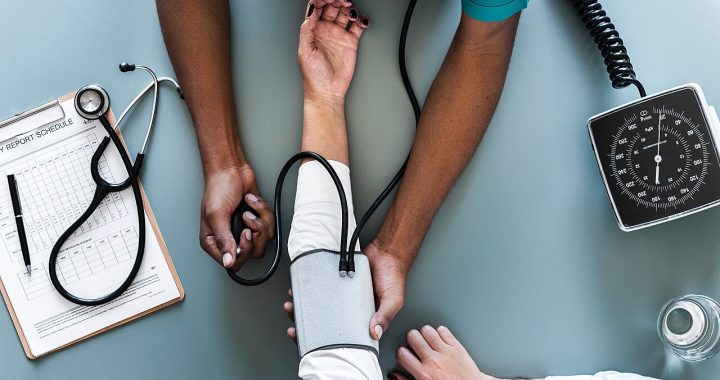
High blood pressure rarely causes symptoms, which is exactly why it’s checked at nearly every visit. Knowing what the numbers mean helps you make sense of them.
Blood pressure is the force of blood against your artery walls. The top number, systolic, is the pressure when your heart beats; the bottom number, diastolic, is the pressure between beats. Over years, high pressure strains the heart, brain, kidneys and eyes, usually without any warning signs.
The categories
These categories come from the American College of Cardiology and American Heart Association guideline, and were kept the same in its 2025 update.
| Category | Top number (systolic) | Bottom number (diastolic) |
|---|---|---|
| Normal | Below 120 | and below 80 |
| Elevated | 120 to 129 | and below 80 |
| Stage 1 high blood pressure | 130 to 139 | or 80 to 89 |
| Stage 2 high blood pressure | 140 or higher | or 90 or higher |
One high reading doesn’t make a diagnosis. Blood pressure varies through the day, so clinicians look at several readings, ideally including some taken outside the office.
Measuring at home
- Use a validated upper-arm monitor. The U.S. Validated Device Listing at validatebp.org shows models that have passed accuracy testing.
- Check the cuff size against your upper arm.
- Avoid caffeine, exercise and smoking for 30 minutes before.
- Sit quietly for five minutes with your back supported, feet flat and arm resting at heart level.
- Put the cuff on bare skin and don’t talk during the reading.
- Take two readings a minute apart and write both down, with the date and time.
Bring your log, or the monitor itself, to your next appointment so your clinician can check it against an office reading.
Important
If a reading is 180/120 or higher, rest briefly and measure again. If it’s still that high, contact your clinician right away. If a very high reading comes with chest pain, shortness of breath, back pain, numbness or weakness, vision changes or trouble speaking, call 911.
If your numbers are high
Lifestyle changes, including less salt, more activity, limiting alcohol and managing weight, lower blood pressure for many people. Whether you also need medicine depends on your readings and your overall risk of heart disease, which your clinician estimates using factors such as age, cholesterol and diabetes.
Blood pressure is usually discussed alongside cholesterol when your heart risk is assessed. For everything else a checkup covers, see our guide to the preventive visit.
Key points
- Under U.S. cardiology guidelines, normal blood pressure is below 120/80, and readings of 130/80 or higher count as high blood pressure.
- The U.S. Preventive Services Task Force recommends screening all adults 18 and older, and confirming a high reading with measurements taken outside the clinic.
- Home monitors can be reliable if you use a validated device, the right cuff size and the same routine each time.
- A very high reading with symptoms such as chest pain, shortness of breath, weakness, vision changes or trouble speaking needs emergency care.
Common questions
How often should my blood pressure be checked?
The Task Force suggests yearly screening for adults 40 and older and anyone at increased risk. For adults 18 to 39 with normal readings and no risk factors, every three to five years may be reasonable.
What is white coat hypertension?
Some people’s blood pressure is higher in a clinic than at home. That’s one reason high readings are confirmed with home or 24-hour monitoring before a diagnosis is made.
Which number matters more?
Both. If the top and bottom numbers fall into different categories, the higher category applies.
This guide explains general U.S. screening recommendations and is not medical advice. Your clinician may recommend a different schedule based on your health, history and test results.